+ METALLURGICAL SERVICES
For a Comprehensive Final Product
YOU CHOOSE
ONE or MORE OXYLASER SERVICES to complete your production.

WELDING
in finishing
Spot Welding Operating Principle
Spot welding is based on a thermoelectric process that combines pressure and electric current to join two or more metal pieces. The main steps of the process are detailed below:
1 Pressure Application: The electrodes, usually made of copper or high-conductivity alloys, exert controlled pressure on the pieces to be welded. This pressure ensures proper contact between surfaces and reduces electrical resistance outside the desired zone.
2 Electric Current Flow: Once the electrodes are in position, a high-intensity electric current is applied for a short period. The natural electrical resistance at the contact point generates localized heat that raises the temperature to the material’s melting point.
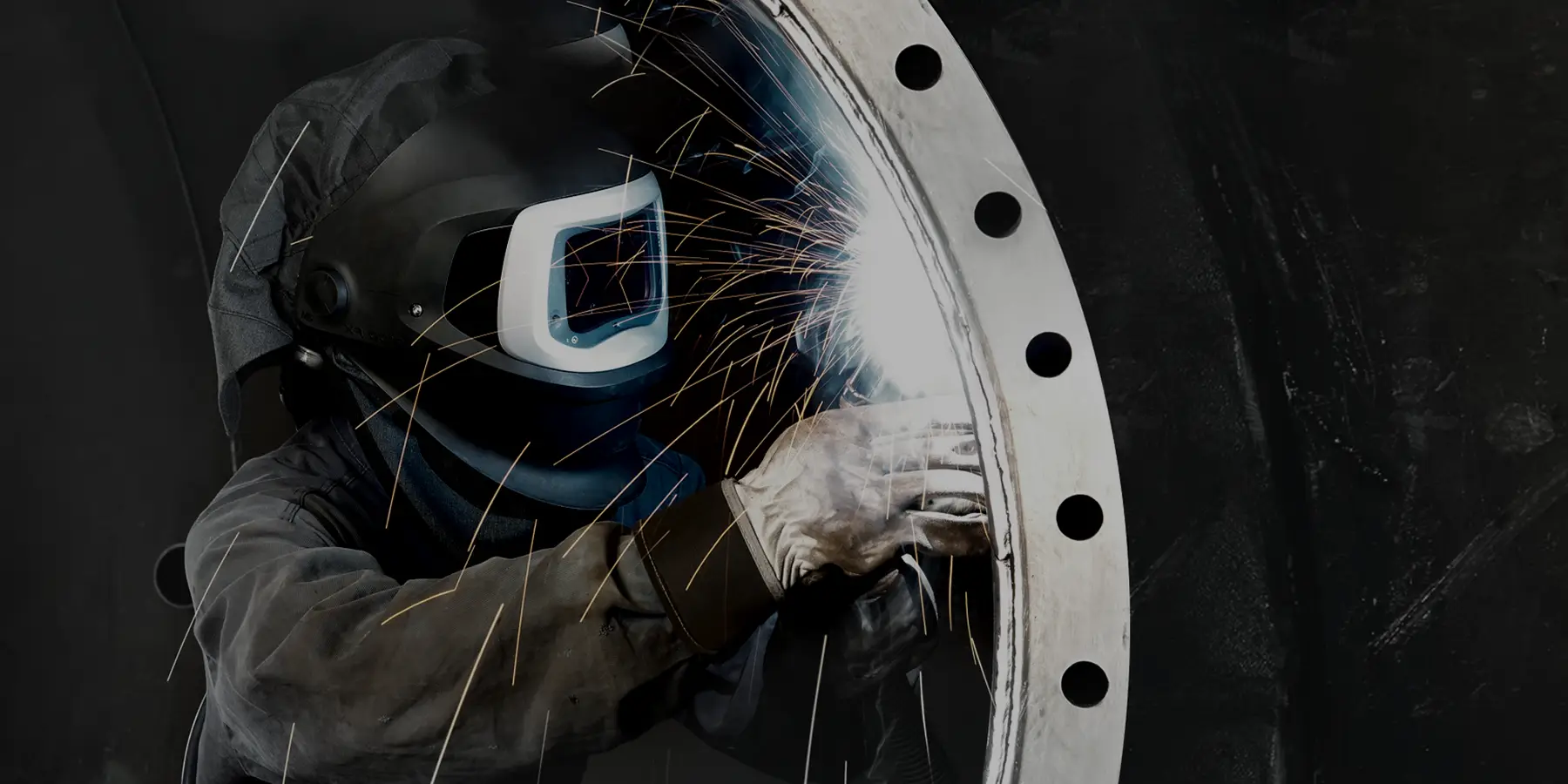
3 Fusion and Welding: The generated heat melts the contact surfaces, forming a small molten area (weld nugget) that unifies the pieces.
4 Current Interruption: Once the desired fusion is achieved, the current supply is cut. At this stage, the molten material begins to cool and solidify, forming a strong and inseparable bond.
5 Pressure Maintenance During Cooling: It is crucial that the electrodes maintain constant pressure while the material solidifies. This prevents the formation of pores or internal cracks, ensuring a robust and high-quality weld.
In summary, the combination of precise pressure and controlled heating allows for a reliable and uniform bond, ideal for demanding industrial applications.
Our TIG, MIG, and Laser welding services enable us to tackle a wide variety of industrial projects, ensuring durable and high-precision joints in different materials and thicknesses. We specialize in offering tailored solutions to various industries such as automotive, aerospace, construction, and manufacturing, always focusing on quality and customer satisfaction.
TIG Welding (Tungsten Inert Gas)
TIG welding uses a non-consumable tungsten electrode and an inert gas (usually argon) to protect the welding area from oxygen and air moisture. This method is known for its high precision and clean finish, making it ideal for delicate materials and applications requiring high-quality welds.
Advantages of TIG Welding:
> High quality and precision: Offers precise control of heat and arc, resulting in a clean finish without splatter.
> Ideal for thin materials: Best option for welding thin sheets and delicate components without deformation risk.
> Material versatility: Suitable for welding carbon steel, stainless steel, and aluminum.
> Superior resistance: Welded joints have greater durability and corrosion resistance.
MIG Welding (Metal Inert Gas)
MIG welding is an arc welding process that uses a continuous electrode wire and a shielding gas to melt and join materials. It is a fast and efficient technique, ideal for large-scale projects and various material thicknesses.
Advantages of MIG Welding:
> High production speed: Ideal for fast welds and long joints in large-scale projects.
> Easy to automate: Perfect for mass production using industrial robots.
> Versatility: Works well with a wide range of metals, including carbon steel, stainless steel, and aluminum.
> Lower operating costs: An economical and efficient technique for large-scale production.
Laser Welding
Laser welding uses a concentrated light beam to melt and fuse metal surfaces. This technique is ideal for high-precision welds in materials requiring a clean finish and minimal thermal distortion.
Advantages of Laser Welding:
> Extreme precision: Perfect for welding small and complex parts without damaging surrounding areas.
> High speed: Enables fast and precise welding, reducing production time.
> Minimal thermal distortion: Prevents deformation in heat-sensitive materials like aluminum and stainless steel.
> Non-contact: No tool wear, extending equipment lifespan.
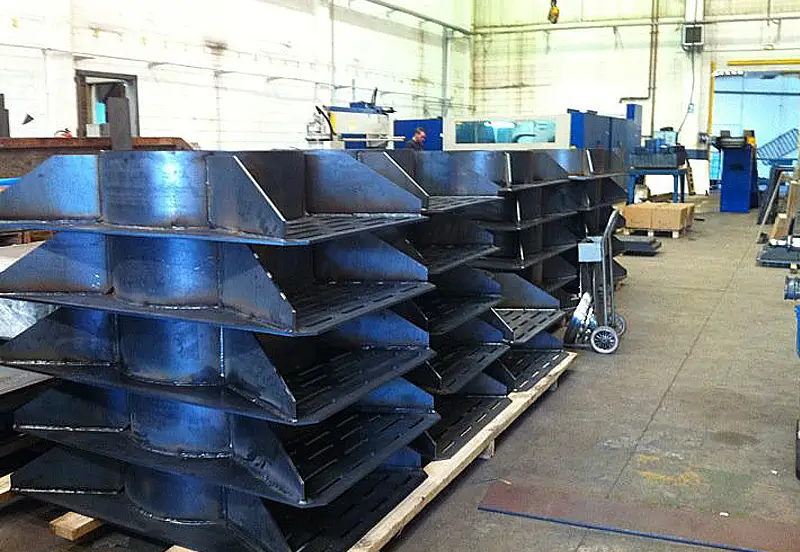
Materials we work with in all THICKNESSES:
Carbon Steel
> High strength and durability.
> Applications in structures and machinery.
Stainless Steel
> Corrosion resistance and easy cleaning.
> Used in food, pharmaceutical, and industrial equipment sectors.
Aluminum
> Lightweight and oxidation-resistant.
> Ideal for aerospace, automotive, and lightweight product manufacturing.

TECHNICAL Office
for your projects
DESIGN CONSULTATION
MATERIALS and
PRODUCTION OPTIMIZATION
A Technical Office in the metallurgical sector is essential to ensure projects are developed efficiently and meet quality standards, deadlines, and client specifications.
FUNCIONS:
> Technical Feasibility Analysis
> Design and Development of Drawings
> Material Selection Consultation
> Definition and Optimization of Production Processes
> Quality Control and Supervision
>Project and Deadline Management
> Cost Optimization and Budgeting
> Innovation and Continuous Improvement Consultation
> Technical Documentation and Archiving
> Post-Production Advisory
Technical Support:
Providing technical assistance during product installation and commissioning.
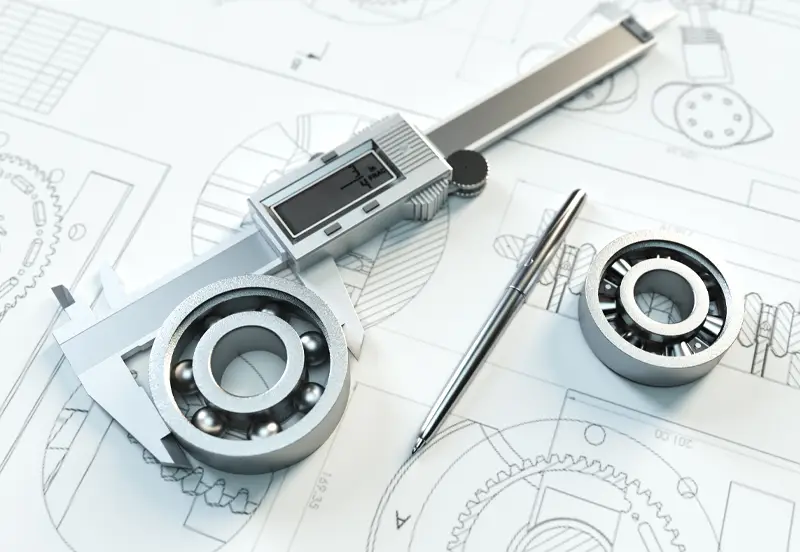

SHEARING
materials
CUTTING:
3000 width
THICKNESS:
10 mm max thickness.
Shearing for thin materials is an essential cutting service in the metallurgical industry, offering fast, precise, and cost-effective cuts. This method is particularly useful for high-volume production that does not require the complexity of other cutting processes.
Shearing employs a blade system to make straight cuts in metal materials. Unlike other methods, such as laser or plasma cutting, shearing is quick, efficient, and economical for simple straight cuts.
FEATURES:
> High precision: Shearing delivers clean, precise cuts with minimal burrs, reducing the need for additional finishing.
> High-volume cutting capability: Ideal for mass production, enabling rapid and efficient cutting of multiple pieces.
> Material versatility: Capable of cutting various metals, including:
Carbon Steel, Stainless Steel, Aluminum, Brass, and Copper.
> No heat input: As a mechanical cutting process, shearing does not generate heat in the cutting zone, preventing thermal deformation of the material.
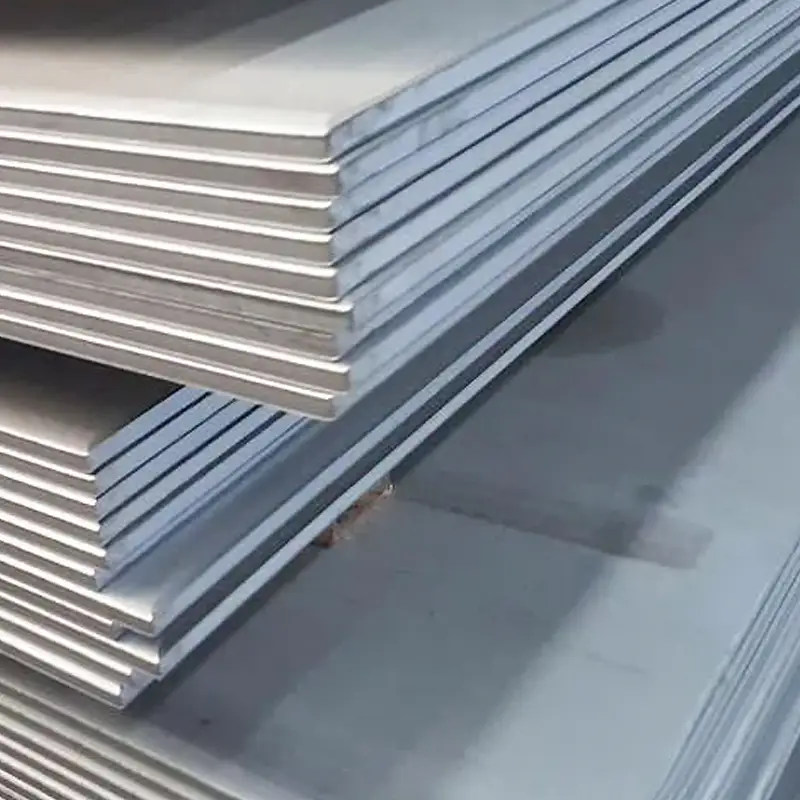

FLATTENING
material delivery
HYDRAULIC PRESS 1000:
Tons/Flattening 2000 width
x 200mm max thickness.
ROLLER FLATTENER:
1600 width x 25mm max thickness.
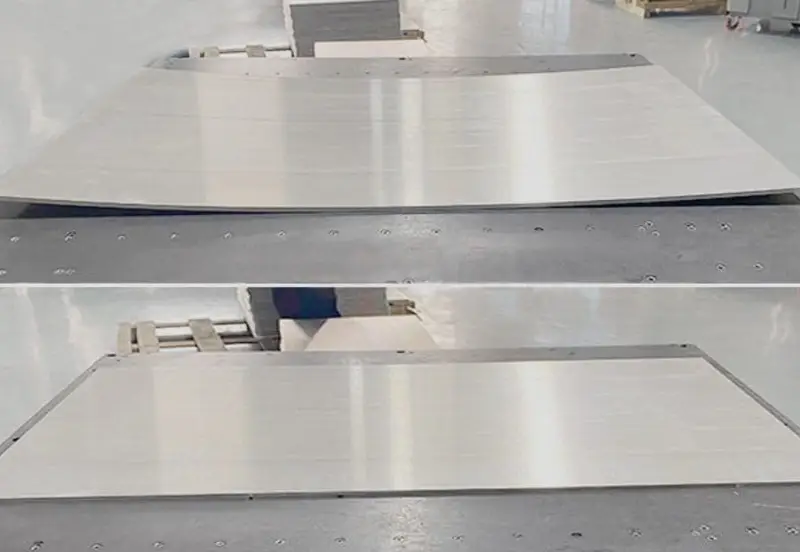
Flattening using a hydraulic press and roller flattener is a crucial service to ensure metal materials are delivered in perfect condition, ready for industrial and construction applications. By ensuring flatness and precision, this process optimizes manufacturing and enhances product quality.
Hydraulic Press Flattening
Description: Provides precise control over heat and arc, resulting in a clean, splatter-free finish.
Application:
> Ideal for thick sheets and high-strength materials such as carbon and stainless steel.
> Used for sheets requiring superior flatness precision.
Advantages:
> High precision in applied pressure control.
> Corrects complex deformations and severe waviness.
> Capable of working with different material thicknesses and hardness levels.
Roller Flattener
Description: Utilizes a series of adjustable rollers that apply progressive pressure as the sheet passes through the machine. This pressure continuously eliminates twists and waviness.
Application:
> Best suited for thin sheets and more flexible materials such as aluminum, brass, and galvanized steel.
> Ideal for high-volume mass production due to its continuous and fast process.
Advantages:
> Highly efficient for large, thin sheets.
> Fine adjustments ensure a homogeneous finish.
> Faster than hydraulic press flattening, making it ideal for mass production.
ROLL BENDING
machine
2 meters / 3 mm to 10 mm
minimum diameter 250 mm.
1.25 meters / 0.5 mm to 5 mm
minimum diameter 100 mm.
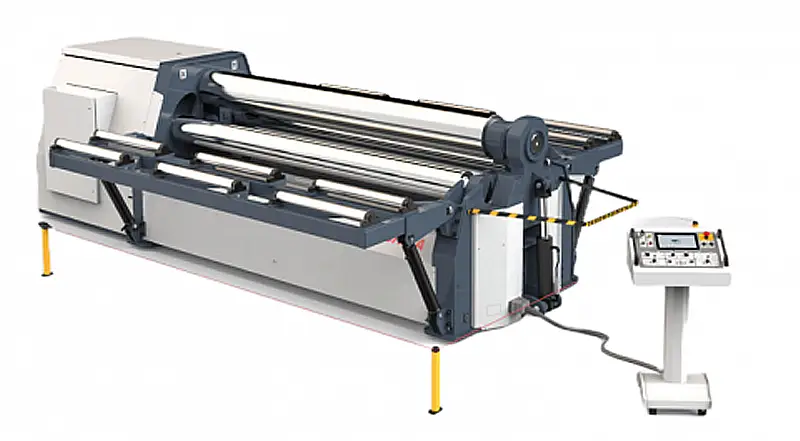
Three-roll bending is a key metallurgical process for transforming sheets into curved or cylindrical pieces with high precision and efficiency. This method is ideal for industrial projects requiring rounded shapes, ensuring superior-quality finishes and optimal production times.
The sheet passes between three rollers arranged in a triangular configuration, where two fixed lower rollers and one movable upper roller apply controlled pressure to gradually bend the sheet to the desired diameter.
Advantages of 3-Roll Bending
> Versatility: Suitable for bending sheets of various materials, including:
Carbon Steel, Stainless Steel, Aluminum, and Brass.
> High precision: The roller configuration ensures precise control over diameter and shape.
> Adaptability to different thicknesses: Suitable for sheets ranging from 2 mm to 20 mm in thickness.
> Reduced production times: The process is fast and efficient, enabling batch production of curved components.
> Uniform finish: Produces smooth, consistent curved surfaces without deformations or creases.

MACHINING
Countersinking
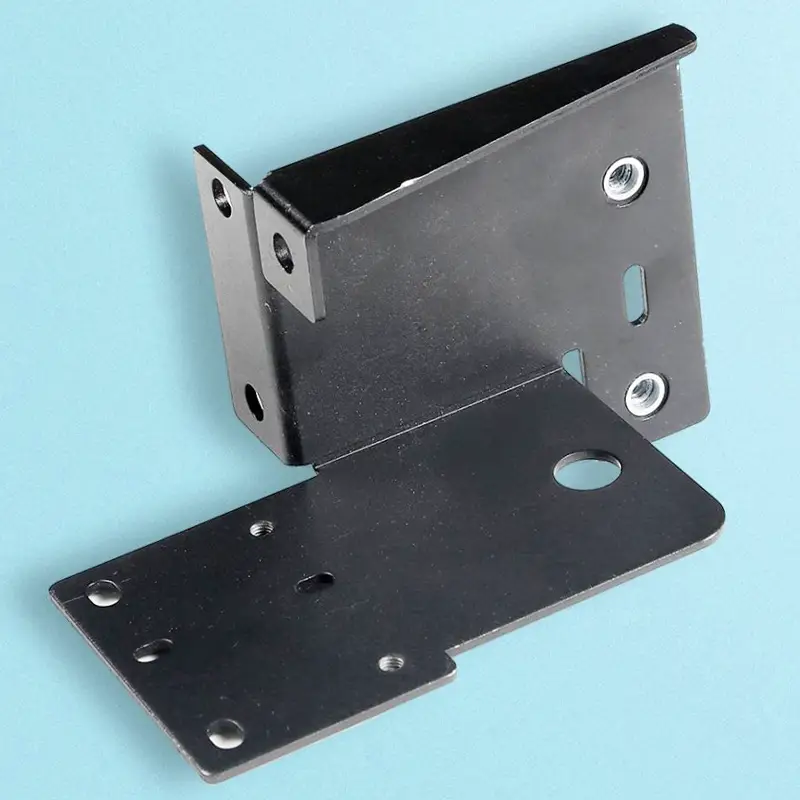
Machining is a fundamental metallurgical process that provides shape, precision, and finishing to metal components. Within this category, threading and countersinking are essential techniques for preparing parts with high precision and functionality. These operations are crucial for manufacturing components that require secure and precise assembly, such as screws, bolts, fasteners, and structural joints across various industries.
THREADING
Threading is the process of creating internal or external threads on a metal part to enable the assembly of threaded elements such as screws and bolts. Threads can be made on cylindrical surfaces (internal) or bars and shafts (external) using specialized tools.
Threading Characteristics:
TOOLS USED:
Taps: For internal threads in holes.
Dies: For external threads on shafts or bars.
CNC milling machines and lathes: Advanced equipment for complex and high-precision threads.
TYPES OF THREADS:
Metric (ISO): Commonly used in industrial applications.
Whitworth (imperial): More common in older and specific systems.
Trapezoidal and ACME: Used for applications requiring strength and durability, such as motion transmission systems.
Advantages of Threading:
High precision: Produces threads with tight tolerances for optimal assembly.
Versatility: Applicable to various materials, including carbon steel, stainless steel, aluminum, and brass.
Durability: Machined threads offer greater resistance and longevity compared to molded threads.
COUNTERSINKING
Countersinking is the process of creating a conical hole on the surface of a part to allow a screw or bolt head to sit flush or below the surface. This is crucial for achieving both functional and aesthetic results in applications requiring smooth and secure assemblies.
Tools used:
Countersink drill bits: To create the desired hole angle.
CNC milling machines and drills: For precise and controlled countersinking.
Types of countersinking:
Standard countersinking: Usually performed at 90° or 120°, depending on the screw type.
Deep countersinking: For fastenings requiring deeper adjustments.
Surface finishing: Countersinking improves hole appearance and eliminates sharp edges.
Advantages of countersinking:
Better fit: Ensures screws sit flush with the surface, preventing protrusions.
Increased safety: Reduces wear or damage caused by exposed screw heads.
Enhanced aesthetics: Improves the final appearance of assembled parts, especially in visible applications.
DELIVERY TIMES
SUPER EXPRESS
URGENT
> SUPER EXPRESS
(-) within 5 working hours
> EXPRESS
same DAY or up to 9 working hours
> 24 H *
> 48 H *
> 72 H *
> 96 H *
* Order acceptance until 3 PM
STANDAR
> maximum delivery
5 WORKING DAYS
or consult services
FACTORY EASY and
as fast as you want
1

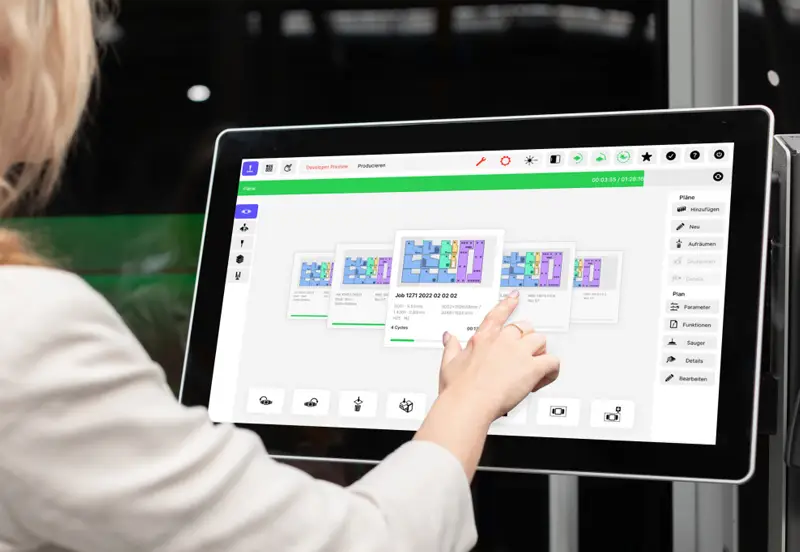
PRICE almost instantly
Upload your files, configure your order,
and get your price within the day.
2

Choose DELIVERY DATE
> Choose the delivery date for your order.
> Indicate the payment method, and the order will be processed automatically in our workshop.
3

PRODUCTION
> We manufacture your order immediately.
> We have our own production facilities, and everything runs smoothly.
4

DELIVERY
Your parts are delivered ON TIME without delays to the agreed address or our facilities.
Order your parts as fast as you need


SPECIAL
Urban Furniture
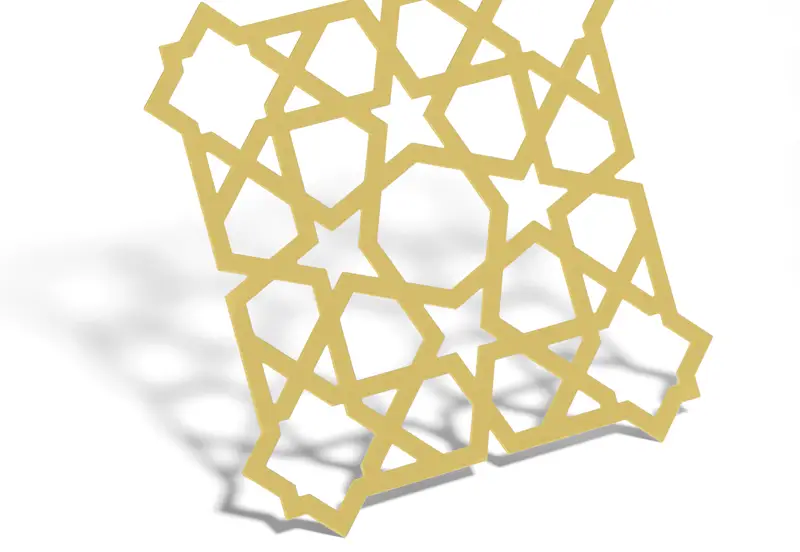
Sculpture and Decorative Elements
Special Projects
Signage and Custom Signboards
