BENDING
Fast, precise, and high-quality metal bending

BENDING TOLERANCE
According to standard – thickness

MAXIMUM UNFOLDED PART SIZE
> 4000 x 2000 mm
> OVER 320 TONS of Pressure

BENDING THICKNESS
12 mm maximum thickness at 4000 mm
Possibility of bending up to 20 mm depending on dimensions.
We can cut it for you
or bring your material ready for BENDING
Choose the services you need.
Contact us for larger format and thickness bending projects.
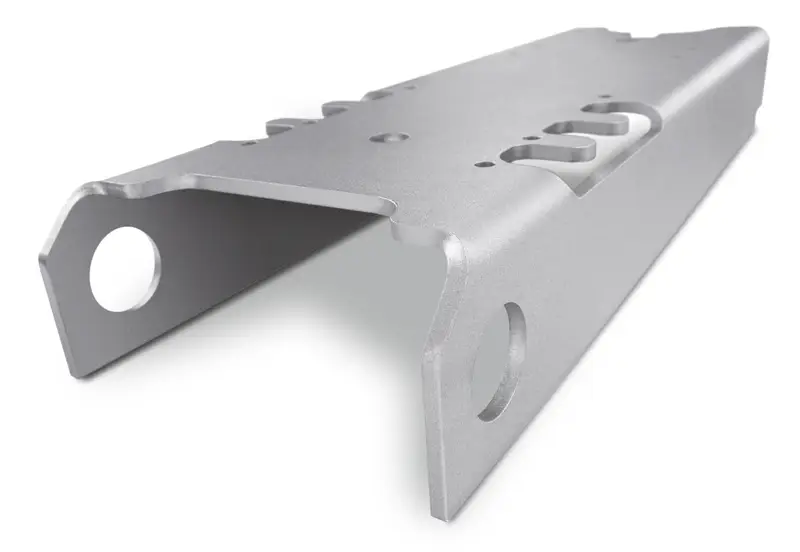
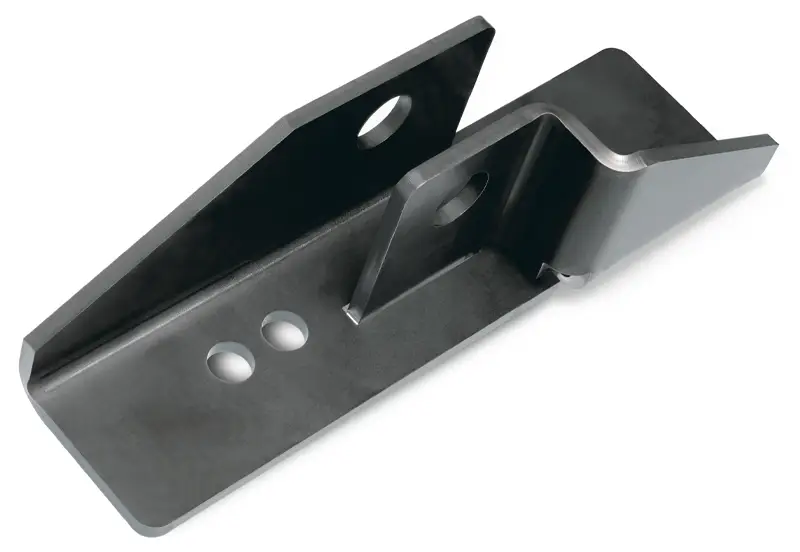
High-Precision Bending
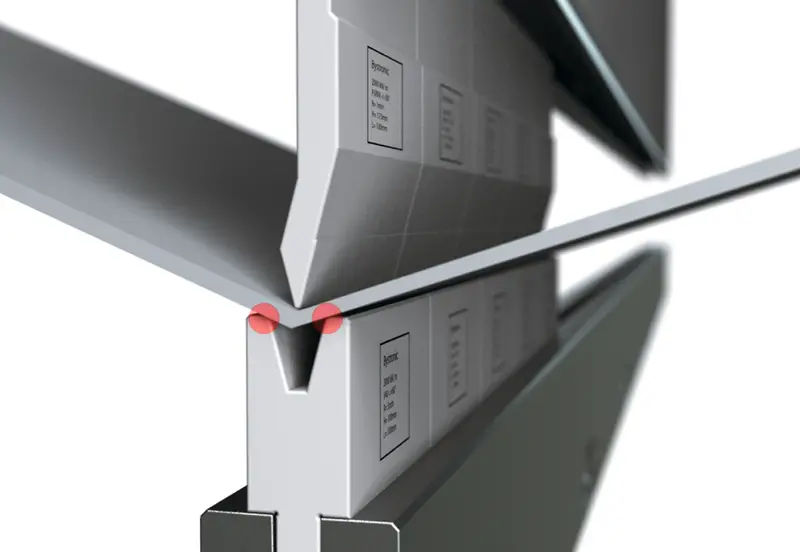
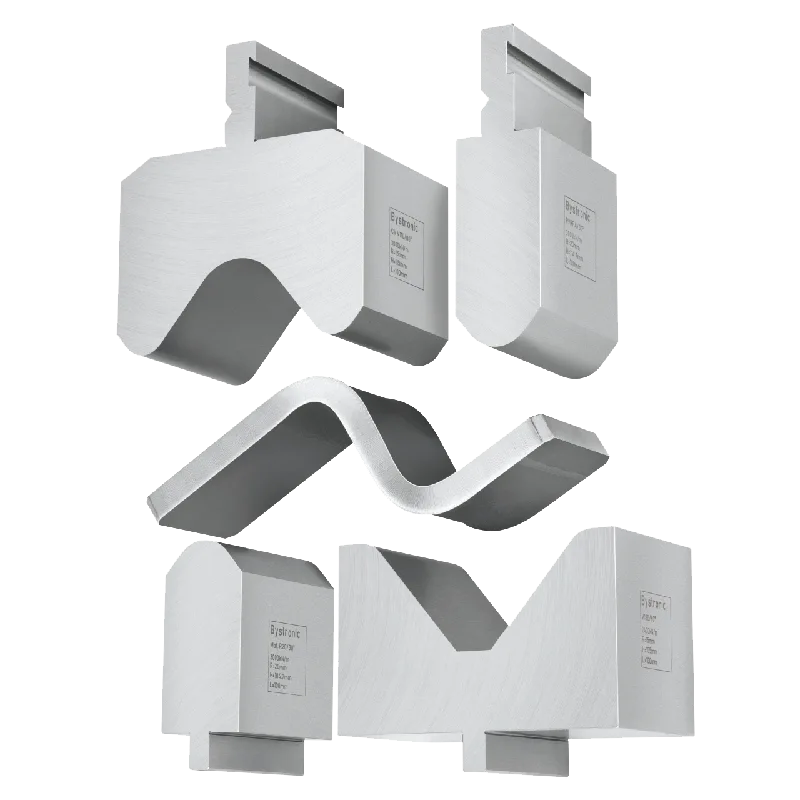
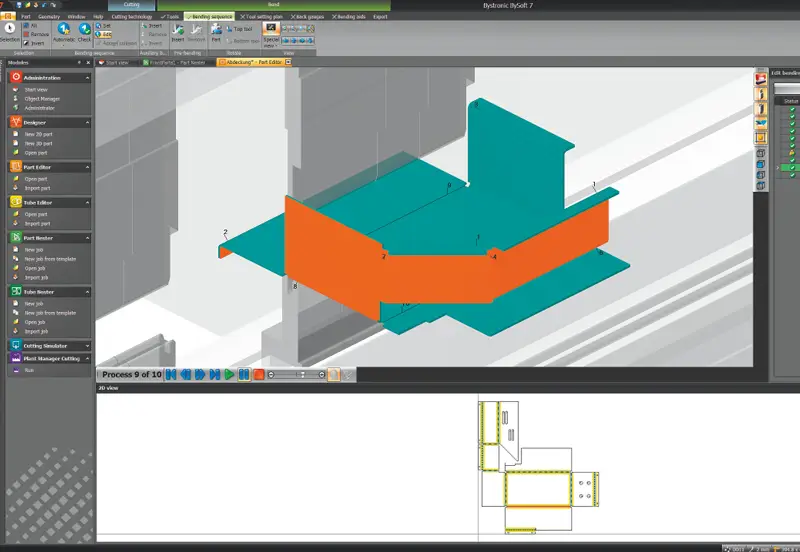
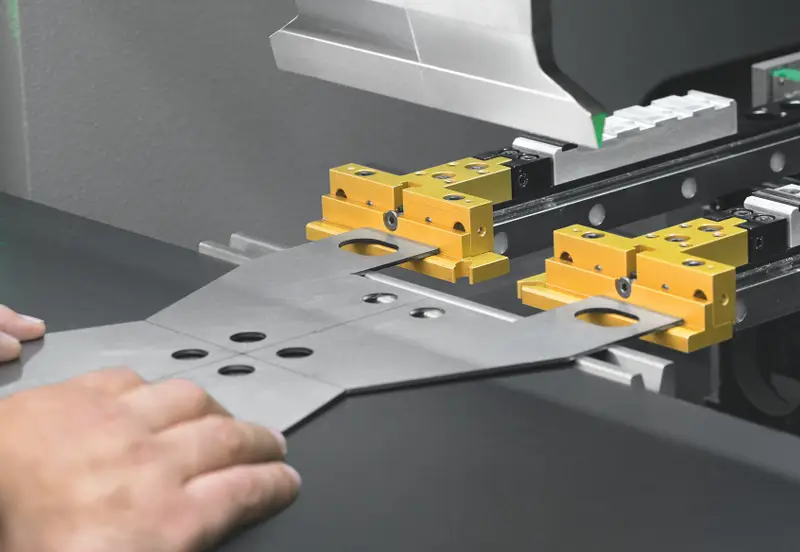
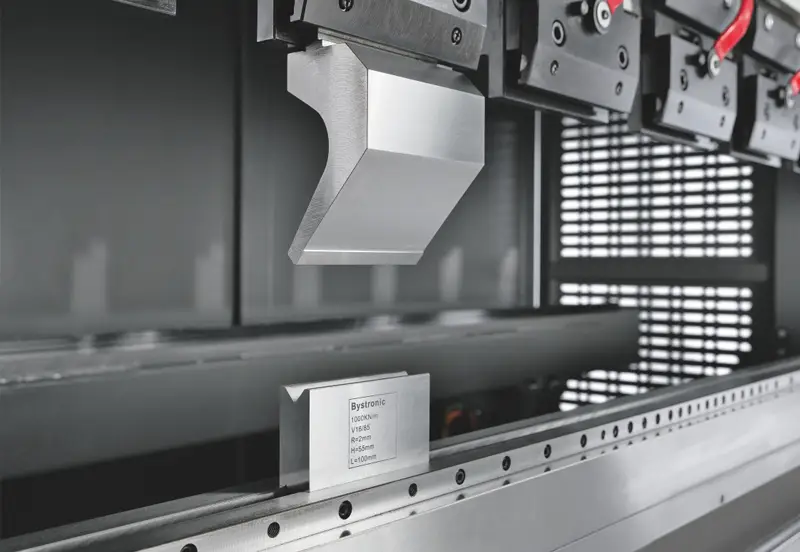
We use specific punches and dies for each thickness, achieving superior geometric precision and minimizing bending marks.
Over 320 tons of pressure
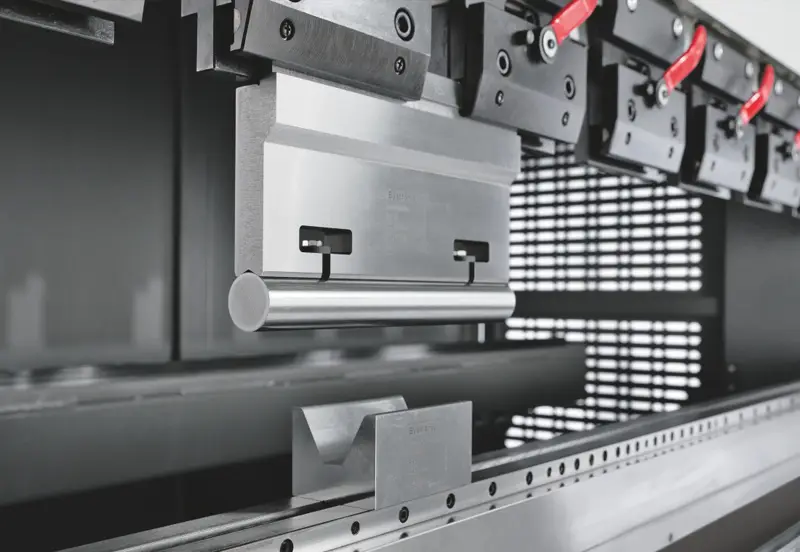
High-tonnage equipment with digital angle control technology, ensuring precise results in every detail.
In-House Manufacturing
Our own facilities ensure HIGH-QUALITY production and adherence to DELIVERY DEADLINES.
.
Easy Manufacturing
and as Fast as you want
DELIVERY TIMES
SUPER EXPRESS
URGENT
> SUPER EXPRESS
(-) within 5 working hours
> EXPRESS
same DAY or up to 9 working hours
> 24 H *
> 48 H *
> 72 H *
> 96 H *
* Order acceptance until 3 PM
STANDAR
> maximum delivery
5 WORKING DAYS
or consult services
Easy Manufacturing and as Fast as you want
1

PRICE almost instantly
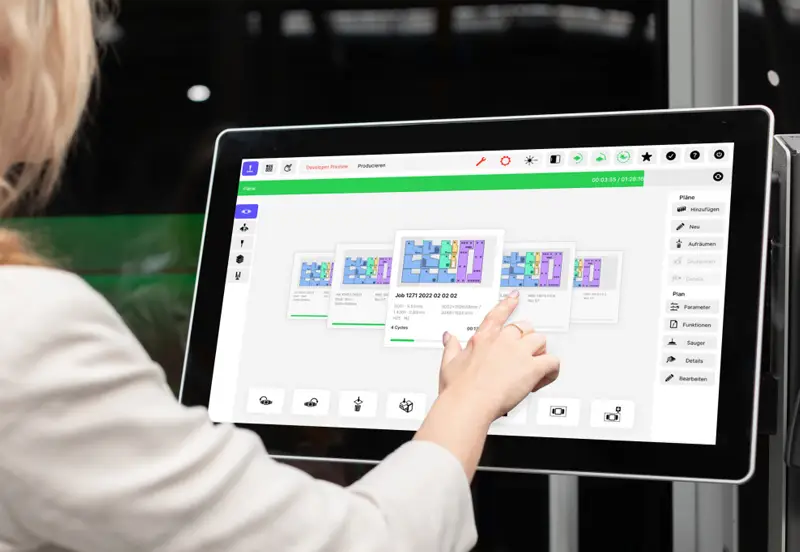
Upload your files, configure your order,
and get your price within the day.
2

Choose DELIVERY DATE
> Choose the delivery date for your order.
> Indicate the payment method, and the order will be processed automatically in our workshop.
3

PRODUCTION
> We manufacture your order immediately.
> We have our own production facilities, and everything runs smoothly.
4

DELIVERY
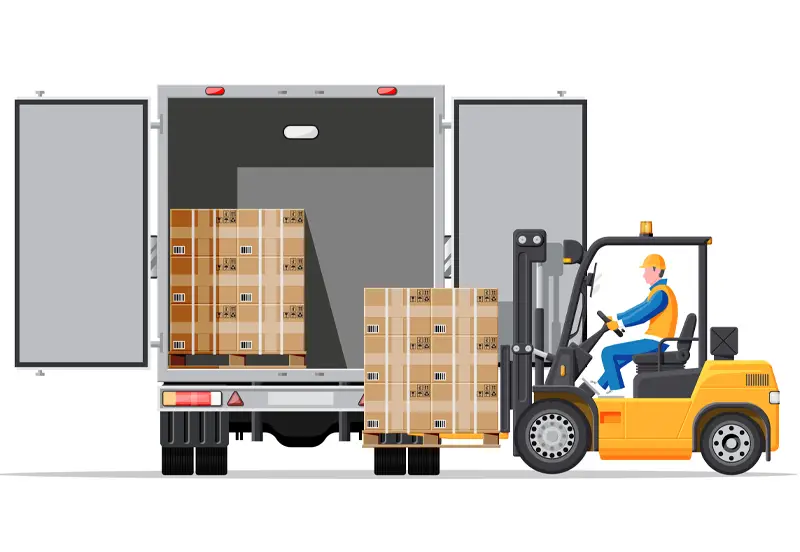
Your parts are delivered ON TIME without delays to the agreed address or our facilities.
Order your parts as fast as you need
and adherence to DELIVERY DEADLINES

Frequently Asked Questions about Sheet Metal Bending
How should a part be designed considering the bending process?
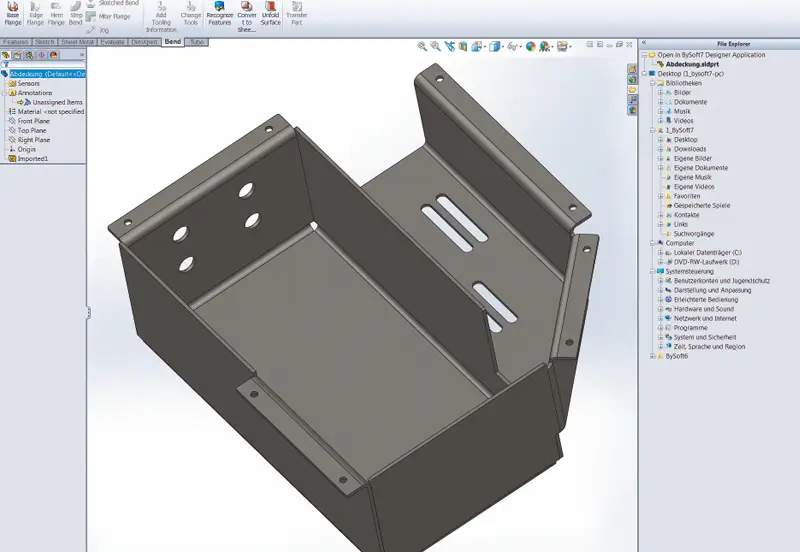
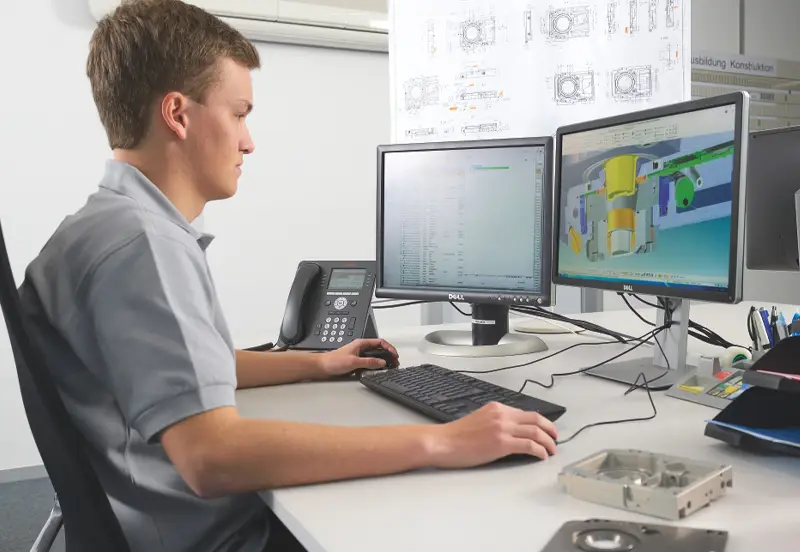
The design must take into account the type of material, thickness, and required angles. It is important to consider factors such as bending radius, bending sequence, and thickness compensation to avoid fractures or deformations. Additionally, a preliminary analysis of the stresses and deformations the part will experience during bending is usually performed.
What issues can arise when bending sheet metal?
Some issues include the possibility of generating internal stresses in the material, which can cause deformations or fractures if the process is not properly controlled. Additionally, bending requires specialized machinery and may have limitations regarding thickness and the complexity of achievable shapes.
What materials are suitable for the bending process?
The most suitable materials include carbon steels, stainless steels, aluminum, copper, and brass. The choice depends on the material’s strength, ductility, and thickness, as well as the project specifications.
What is the most efficient method for sheet metal bending?
The most efficient method is usually the use of CNC (computer numerical control) press brakes, as they allow for high precision, repeatability, and speed in the process. These machines also enable programming of various angles and bending designs with accuracy.
What does the sheet metal bending process involve?
Sheet metal bending is a deformation process in which pressure is applied to a metal sheet to shape it by creating bends or folds. This is usually done with a press brake, which uses a die and a punch to mold the sheet according to the required angles and shapes.
What are the main applications of sheet metal bending?
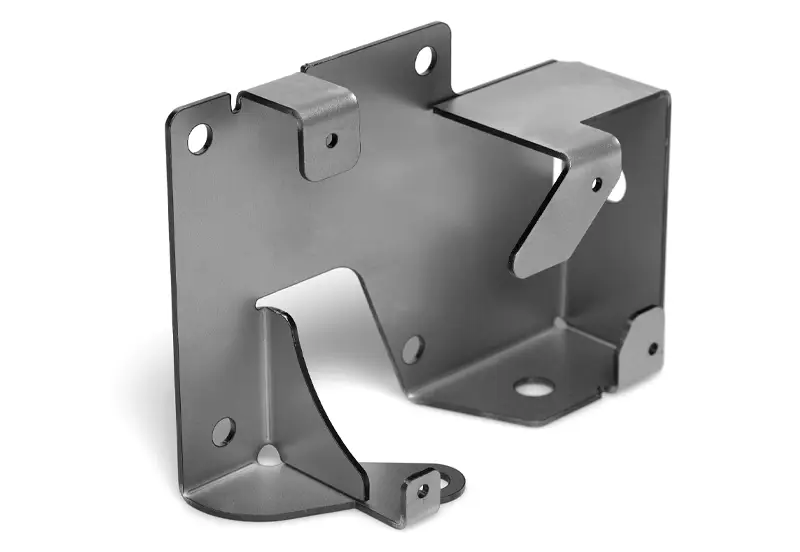
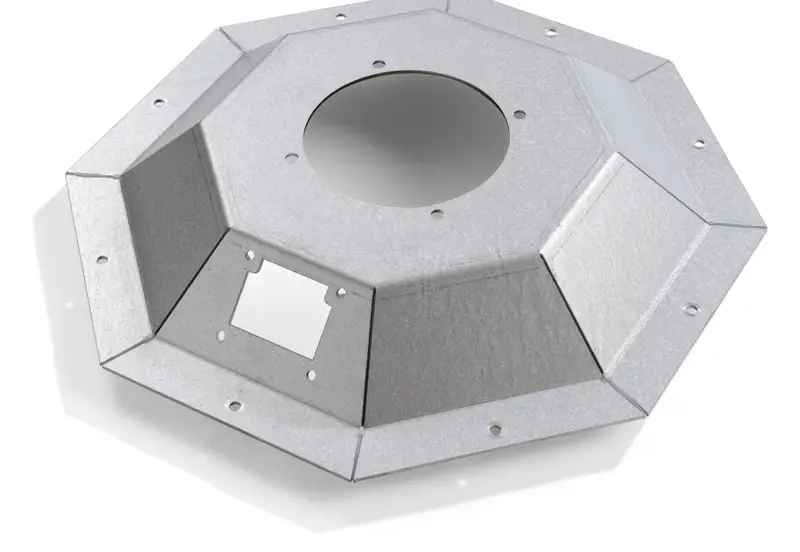
This process is widely used in manufacturing parts for industries such as automotive, construction, household appliances, and architectural projects. It is ideal for creating structural elements, cabinets, enclosures, and machinery components, among others.
When is it advisable to use sheet metal bending?
Sheet metal bending is particularly useful when manufacturing three-dimensional parts from flat sheets, creating specific angles and folds. It is recommended for projects requiring strong and lightweight parts with efficient and precise production.
What benefits does sheet metal bending offer?
Its advantages include fast and precise production, the ability to achieve a wide variety of shapes without the need for assemblies, and the added strength that the bending process provides to the parts. Additionally, bending reduces material waste by optimizing sheet usage.
Is sheet metal bending easy to perform?
Although the process can be relatively simple for trained operators, achieving high precision and quality results requires technical knowledge and the use of appropriate machinery. Factors such as material type and sheet thickness also affect process complexity.requiere conocimientos técnicos y el uso de maquinaria adecuada. Además, factores como el tipo de material y el grosor de la chapa afectan la complejidad del proceso.
What techniques are used for sheet metal bending?
There are several bending techniques, including V-bending, U-bending, and edge bending. Each is suitable for different applications and allows for obtaining various types of bends and angles, adapting to the required design of the part.

SPECIAL
Urban Furniture
Sculpture and Decorative Elements
Special Projects
Signage and Custom Signboards
